Bumbling the future: a tale of two companies
Disclaimer: I have no financial interest of any kind in Eastman Kodak, either long or short, and no plans to take any position in the company - ever. I have never held any shares of EK so what follows isn't sour grapes. I am not an insider and have no inside information.
Latest update: September 12, 2015. Recovered most of the images accidentally deleted two years ago, added a "Where Are They Now" section.
 Way back in 1988 Douglas K. Smith wrote a great book called Fumbling the Future: How Xerox Invented, then ignored the First Personal Computer. He went into fascinating and gory detail of the fumbling and bumbling that went on in Xerox management that led to one disastrous blunder after another.
And both companies subsequently lost their way. Xerox invented the world's first viable personal computer and Kodak invented the first digital camera. Both companies failed to realize the significance of that. And just as the PC demolished Xerox's highly profitable core business of photocopiers, the digital camera killed Kodak's main profit center of photographic film.
Both companies went through a series of strategic blunders. I'll leave Xerox now with the suggestion that you read Smith's book and concentrate on Kodak. As this posting has expanded since I originally wrote it in September 2011, I've added some items that provide historical context and aren't necessarily disasters in and of themselves, though there's certainly still plenty of those to go around.
A timeline of shame
 |
| World's 1st digital camera |
.
In 1976, Kodak decided to enter the field of instant photography, essentially the sole domain of rival and powerhouse Polaroid. Several years later, Polaroid sued Kodak in a now famous case and won a whopping $1 billion settlement, back in the days when $1B was a lot of money.
 |
| Kodak instant film camera |
Kodak was obligated to stop making that product and never returned. The irony is that Kodak instant prints were far superior to anything Polaroid had. The further irony is that Polaroid then completely squandered their windfall and ended up going bankrupt in 2008.
Also in 1976, Kodak decided for some reason it would be a good idea to start making copiers. This venture managed to last until 1997. In yet another irony, by the late 80's Kodak's copiers were better than those of cross-town rival Xerox. The opportunity was there for a while, and they blew it.
 |
| Kodak Ektaprint 150 copier |
In 1982, Kodak employment hit 60,000 in Rochester alone. It is Kodak's heyday. It's the largest employer by far in the Rochester region. Local stores run full page ads targeting Kodak employees to spend their bonuses with them. They're particularly popular with car dealers. Times are good.
 |
| Kodak 4000 disc camera and film |
But the tiny negatives had an undeniable ugh factor. Disc images were so bad that even ordinary snapshot consumers, the kind of people who were content to watch color TV with green and purple faces, complained. The format nevertheless managed to survive until 1998. I doubt many people were still using it by then. The camera itself was axed in 1989.
1983: Colby Chandler takes over as CEO from Walter Fallon.
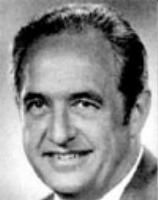 |
| Walter Fallon |
 |
| Colby Chandler |
 |
| Kodavision 8 mm. video cassette deck, 1984 |
In 1986, Kodak decided to start making batteries. Many of their products used batteries and the company had a long history of vertical integration. There was concern that customers would blame their Kodak camera for problems caused by bad batteries. So it seemed to make sense - at the time.
 |
| But they didn't keep going |
They spun off a company, Ultra Technologies in Newark, NY to handle the job. But by 1991, Kodak sold off its interests in Ultra which then renamed itself Ultralife and is still making batteries today.
1987: Kodak invents the OLED (organic LED) - and proceeds to ignore that too for 20 years.
1990: In a newly published, gorgeous and heavy coffee table book titled The Story of Kodak, author Douglas Collins proclaims, "film remains and will continue to remain the preferred medium for picture taking." Um, okey dokey. New hires in the Kodak Research Labs get a free copy of this book as a welcome gift. Today it's on sale at Amazon for $2.61, presumably by Kodak retirees desperately trying to make up for the pensions they got screwed out of.
 |
| The Story of Kodak |
Also in 1990, Kay Whitmore replaces Colby Chandler as CEO.
 |
| Kay Whitmore |
1991: Kodak decided to enter the digital arena with its DCS (later renamed the DCS-100), basically a Nikon F-3 SLR camera with a 1.3 megapixel Kodak CCD image sensor instead of film. A whole series of DCS camera eventually followed, aimed at the professional market. With a price tag of $28,000 for the DCS-460 for example, the average snapshot taker wasn't going to be interested. You could buy one of the houses nearby Kodak Park for $28,000 back then.
 |
| Kodak DCS-400 |
The DCS series continued in production until 2005.
 |
| Photo CD |
While initially fairly popular with consumers, Photo CD suffered from a number of technical problems and more marketing miscues. The quickly growing capacity of hard drives along with the increasing popularity of jpeg eventually led to the demise of Photo CD. By 2004, processing labs were giving away the scanners for free to anyone would would haul them off.
 |
| Short answer: no |
1994: Kodak spins off its chemical division into a new company called Eastman Chemical (EMN). This one move was probably the worst decision Kodak ever made. Kodak's fate was sealed from this moment on. Eastman Chemical opened in 1994 at 21.12. It most recently closed at 38.19. Kodak opened 1994 at 44.19 and now trades just above one dollar.

 |
| They could've used this! |
 |
| Kodak Picture Kiosk |
Also in 1994: Apple introduces the world's first consumer digital camera, the Quick Take 100. Ironically, it is actually made by Kodak. This camera wasn't a big hit for Apple, mostly because people didn't associate them with photography back then.
Also in 1994, Fisher says "Our copy products business is not for sale, and we have no plans to sell it." Three years later, I guess the plans changed. The whole thing went to Danka..
 |
| Kodak DC-40 |
 |
| Kodak DC-20 |
Today, digital cameras are losing ground to the ubiquitous camera-equipped cell phones. One has to wonder what they were thinking, replacing a high profit low-competition item like film with a low-profit product like digital in an industry with cut-throat competition.
 |
| Kodak Advantix APS film |
Technically well-executed, feature-laden, and visually appealing, APS nonetheless was unable to stem the digital tsunami. Advantix film production ceased in 2011.
 |
| EK monthly, 1997-2002 |
But trouble was already brewing as Fisher announced some big job cutbacks. Interestingly, he said "We are out of denial now. We were wishing (the problems) would go away. We were deluded by our own thinking." [http://www.rbj.net/article.asp?aID=190312] And what was the new delusion?
 Also in 1997, Kodak finally threw in the towel on copiers, selling its entire Office Imaging business to Danka Business Systems (DANKY).
 In 1998, Kodak opened a plant in Ireland to mass produce writeable CD's, just before CD's became a commodity item. The world was awash with CD's (remember getting one in the mail from AOL once a week?) Then hard disk drive storage capacities exploded, first through multimegabytes, then gigabytes, and now terabytes, obviating the need for CD's entirely. In 2001 Kodak exited the CD production business. Also in 1998, Kodak shut down their disc film line.
 In 1999, Kodak continues cutting its way to success by selling its digital printer and copier division to Heidelberger Druckmaschinen AG.
 In 2000, Kodak announced that it would become "a leader in Bloomberg Businessweek put it:
digital cameras". Issues stock options to employees with strikes in the mid 70's, as an "incentive" to improve performance. That price would never be realized. Dan Carp replaced George Fisher as CEO. As Business Week quoted:
"Dan Carp had better watch out. As chief executive of Eastman Kodak Co. since Jan 1., he has already run into deep trouble, even before finishing his first year on the job. Now, he faces the prospect of joining the list of Kodak executives who have bungled the company's transition from traditional film to the digital world"
Would you buy a used camera from this man?

In 2001, Kodak acquired online photo sharing business Ofoto and renamed it Kodak EasyShare Gallery. Subsequently renamed again simply Kodak Gallery in 2005, they managed to run this into the ground too, announcing in late 2011 they were trying to unload it.
Talk of a business they never should have entered. This is a low profit, low barrier-to-entry operation, the exact opposite to what Kodak does best. Anyone with a PC and a big hard drive can start a photo sharing service. Another what were they thinking moment.
 |
| Revolving Door Russo |
Acoording to a 2003 article in Businessweek, "Russo likes to recite Winston Churchill's famous quote: 'Never, never, never give up.'" Except for Kodak, I guess. There's a funny story about Kodak and Russo contributed by a reader, but you'll have to buy the upcoming book to find out.
In 2002, Kodak announced that they were cutting their dividend to pay for a strategy concentrating on growth in digital. Also in 2002, Kodak moved the production of disposable "single use" cameras to China and Mexico. Another 500 Rochester workers are now jobless. 23,000 now remain.
 In 2004, With its stock now in the mid-20's, Kodak was kicked out of the Dow. Also in 2004, Kodak sold its Government Systems group to ITT (ITT).
  |
| Perez: "Oy, this company will be booming!" |
- "by 2007 this will be a $60 stock.'', Ulysses S. Yannas, a broker at Buckman, Buckman & Reid. I'll bet he regrets that now. (By 2007 it was a $25 stock).
- ''By 2008, Kodak will be the digital company I came here to run'', Perez to investors meeting, Sept. 28, 2005. I think he forgot to add "into the ground".
 |
| Koduhk logo |
 |
| Bldg. 69 going up in smoke, 2007 - this company is booming, alright! |
Also in 2007, Kodak resigned its membership in the Better Business Bureau, right before it was about to be kicked out.
 Also in 2007, Kodak sold off its health care imaging group to Onex, a Canadian company. Digital radiography was arguably the one business they had with growth potential, where they had a decent presence. So they dumped it. What were they thinking? Now called Carestream Health, they're doing quite well. I guess the need for cash is already showing.
2008: Kodak stock opens at $21.81. It closes the year at $6.58. This is the company Perez said he "came here to run" in 2005? By golly he really did mean "into the ground".
 |
| R.I.P. Kodachrome, 2009 |
On April 30, 2009, Kodak announced it was suspending its dividend.
Also in 2009, Kodak announces it will stop making Kodachrome film, arguably the most popular and successful film in history.
 Also in 2009, Kodak sold its OLED business to LG.
  |
| David Cok |
On December 17, 2010, Kodak was kicked out of the S&P 500. Stock price now around 5 bucks.
2011: Kodak is no longer Rochester's largest employer. It's not even its second largest. Or third. With less than 7,000 employees remaining, it ranks behind the University of Rochester, Xerox Corp. and a local supermarket chain.
On February 23, 2011, President Obama, aka The Empty Suit, appoints CEO Antonio Perez to his Council on Jobs and Competitiveness, for reasons that are still unclear but do make me wonder about his judgement. Obama obviously does not read the Night Owl. Or perhaps Perez was appointed as an example of what not to do, since he has clearly demonstrated he knows nothing about either competitiveness or jobs. Destroying yes, creating no..
 March 31, 2011: Kodak sold 850 patents to Omnivision Technologies (OVTI) for $65 million. That works out to $76,471 per patent.
April 5, 2011: Kodak sold parts of its microfilm products and equipment business, along with its data conversion services business to a company called Eastman Park Micrographics as part of its strategy (if you can call slowly bleeding yourself to death a strategy) "to fund the completion of its transformation to a digital company."
 |
| EK monthly, 2007-2011 |
In July 2011, Kodak announced that it was shopping its patent portfolio around to create a "digital profitable and sustainable company by 2012." (see the 2000 announcement above). They are bandying about numbers like one or two billion dollars for 1,100 patents. But recall that they only got $76K per patent for a sale of 850 patents earlier this year. Assuming the same rate of return, the whole portfolio is worth only $84 million. Even if this estimate is low by an order of magnitude, they're still under a billion.
Also in July, Perez tells analysts in connection with inkjet printers,
“You will see that that business is going to be a gorgeous business for this company,”Is he serious? By now inkjet printers are a commodity item. They come as prizes in Crackerjack boxes. The ink is more expensive than the printers. And now laser printers, which are far superior to inkjet in every respect, are in the same price range as high-end inkjets. And as far as photo printing goes, fewer images are being printed at all in favor of viewing on smart phones. A gorgeous business? I think Perez is giving Kodak the business.
On August 1, 2011, in a further sign of just how deeply their management is in denial, Kodak put in the poison pill to prevent a takeover, arguably the one thing left that could possibly still save this train wreck of a company.
 |
| EK daily, Sept. 1-23, 2011 |
 |
| One smart guy. |
Now why would such a highly placed individual, who can basically write his own ticket, bail after 15 years? Suddenly decided he wanted to teach? Mmm hmm - could be... (not).
Kodak currently lists all of 15 jobs openings in Rochester. One is for an intern, 5 are for financial auditors, and none are in the research labs. 10 years earlier, there were hundreds of jobs listed at any given time.
On September 23, 2011, Kodak withdrew $160 million from its revolving line of credit.
 |
| Too late for Fisher |
September 26, 2011: Thomas Berarducci publishes an ebook called What Not to Do in Business. Amazingly, he got George Fisher to give this testimonial: "A great collection of lessons from the trenches rather than from the ivory tower." I guess if you want an expert on what not to do in business, George is your man.
The wrong stuff, too little, too late
Does all this sound like a healthy company? No. How did this happen? The sad tale of EK is primarily one of too little, too late. Not only that, but going off in the wrong direction over and over. And never learning from their mistakes. All of these problems go directly back to the management of the company, that incredibly remains in total denial of the obvious: Kodak is going down for the third time.
 |
| From despair.com, the Kodak memorial poster. |
And it would be one thing if it was just denial, but denial coupled with arrogance is guaranteed fatal. For example, Dan Carp, then CEO, stood up in Kodak Theatre (a vast private auditorium in the Kodak Park complex) at a Research Division meeting one cold winter day in the early 2000's and announced that things weren't looking so hot. But the problem, he went on wasn't management's plan, it was the failure of the workers to execute the plan. That one statement speaks volumes and sums up Kodak's problems in a nutshell.
Clearly, this company is not long for this world, no matter what its delusional CEO has to say on the matter. It's really sad to see another great American icon go out in such a pathetic manner, and infuriating because it didn't have to end this way. Poor George Eastman must be just spinning in his grave. Bye bye, Eastman Kodak, it was fun while it lasted.
Updates since the original post
 |
| EK, Sept. 2011 |
"Kodak's long-term performance is simply unacceptable, and as such it has not earned the right to remain an independent company. Kodak's management has been given more than enough time and still has been unsuccessful in unlocking value for stockholders or bondholders."Big uh oh. (See the full story in the local Rochester paper here) And I'd say Gregg was being highly diplomatic there.
And finally, in a possible coup de grace this afternoon, EK crashed again, this time trading as low as 54 cents, after both Bloomberg and the WSJ reported that the company was considering filing for bankruptcy. It then recovered, if you can call it that, to close at 80 cents. Yikes. Get the trumpet out, it's almost time to play Taps. Very very sad.
October 5, 2011: Just when it seemed like there wass really nothing else left to sell, Kodak sold its silver business, arguably the heart of the entire company, to an outfit called Rochester Silver Works. Contrary to rumors, Antonio Perez's office desk is not for sale. Yet.
October 12, 2011: Collins Ink Corp., which apparently made the ink used in Kodak's inkjet printers (I thought they made their own ink), cancels their contract with Kodak, citing "Kodak's financial condition".
October 13, 2011: Kodak makes the NYSE's "Threshold securities" list for the 6th consecutive day, reflecting its astonishing 27% short float.
October 14, 2011: In a dose of its own medicine, Kodak gets sued by Fuijfilm over digital camera patents. Sow the wind, reap the whirlwind.
October 20, 2011: Kodak sues Collins Ink (see Oct. 12 above). Apparently, Kodak's main product is now lawsuits. Also, it comes out that Kodak apparently has yet to pay Collins for $2.5 million worth of ink.
October 21, 2011: According to the WSJ, a group of Kodak bondholders have hired a lawyer of their own to "protect their interests". Also Kodak hires restructuring consulting firm FTI Consulting Global. And according to Debtwire, Kodak is meeting with Cerberus and Silverpoint Capital Management. Kodak short float is now 29.29%.
Also, the ITC kicks the can down the road again on its long awaited Apple/RIM patent decision. Supposedly, it's going to be November now, or maybe the "end of the year". Not quite sure which year though.
October 24, 2011: Kodak kicked off the S&P Midcap 400. Kindred Healthcare also had the honor of getting the boot today but while they were "promoted" to the Smallcap 600, Kodak was not.
October 25, 2011: Kodak and Collins Ink kiss and make up, resuming their ink arrangement - for an entire week. The whole deal apparently expires at the end of the year anyway, making one wonder just what all this odd posturing was about in the first place.
November 3, 2011: Kodak reports some stunningly bad Q3 numbers with a loss of 83 cents per share versus estimates of 44 cents. In an SEC filing, they state "The Company's ability to continue its operations ... is dependent upon the ability to monetize its digital imaging patent portfolio through a sale or licensing of the relevant patents and/or the successful execution of the alternative actions, which could include the issuance of additional debt, listed above," This sort of announcement does not exactly give one the warm fuzzies.
Antonio Perez concludes his presentation with "I kept saying that by the end of 2012, we're going to get to this self-standing digital company.". Oh puhleeze. EK stock closes at 1.12. (Transcript excerpt from Seeking Alpha, full transcript can be found here.)
November 7, 2011: Kodak sells its Image Sensors Solutions to Platinum Equity for the proverbial "undisclosed amount of cash". This must mean they got a bad deal. Frankly, I was surprised to learn there was anything left over there to sell besides their much talked about patent portfolio.. It's ironic that this is the group that was responsible for the development of the digital camera, the invention that led Kodak to its doom. In addition to the mystery cash settlement, Platinum picks up the high rise research building 81 in Rochester's Kodak Park along with 200 Kodak employees, about 3% of the remaining Kodak workers in Rochester.
Also today, Moody's publishes a note to the effect that Kodak will run out of cash "by 2012" (meaning in less than 60 days) unless they get a "major infusion" of new financing. Much is still being made about their patent portfolio. See the entry for July 2011 above for an analysis of just how much they might really be worth.
November 10, 2011: Legg Mason calls it quits, announcing it dumped the last of its Kodak holdings, 7.9 million shares last month. They started accumulating shares in 2000 when the stock was at 60. It closed today at 1.14. Ouch!
November 15, 2011: A large Kodak shareholder, Investment Partners Asset Management asks Kodak to ditch the poison pill (see item from August 1, 2011 above) stating "The poison pill should be removed immediately so that the market can determine the value of the company as an independent entity or as a potential acquisition target," IPAM also wants it put to a vote at the next Annual Meeting. Kodak had no comment. Should be an interesting meeting next May.
November 16, 2011: Kodak announces that they are selling Kodak Gallery, their online photo storage, sharing and printing business. A buyer has yet to be found.
November 25, 2011: Kodak ceases production of its Advantix APS film. Since Fuji has also bailed on APS, your APS camera is now a museum piece. Story here: http://www.msnbc.msn.com/id/45439596/ns/local_news-rochester_ny/t/what-happened-kodaks-advantix-photo-system/
 |
| Kodak HQ ghost town |
December 6, 2011: Kodak dumps restructuring advisers Jones Day for the firm of Sullivan & Cromwell. This move at least hints at the prospect that Kodak may be pursuing an alternative to bankruptcy, most likely a takeover I'm guessing. By way of "explanation" Kodak announced "we don't itemize the work any of our advisers do for us."
December 14, 2011: Perez wins the dubious honor of a spot on CNBC's "Worst CEO of 2011" awards, taking home the number 4 position. Story here. Kodak closed today at 82 cents.
December 19, 2011: Well, I guess when it rains it pours Today the WSJ reported that Kodak is having problems selling its vaunted patent portfolio. TAnd that's affecting its ability to raise cash. According to the report, Kodak "could seek bankruptcy protection during the first few months of next year".
And to add insult to injury, Kyocera is suing Kodak over an inkjet printer patent. At this point, my guess is that Kodak isn't going to be able to sell their patents at all. Why should anyone buy them? It would be more cost effective to just infringe and figure that Kodak is going to be too weak to do anything about it, asssuming they're even going to be around much longer at all. Right now EK is trading at 71 cents. Next stop - the pink sheets.
December 20, 2011: Delivering the can another powerful kick, today the ITC announces that, surprise - they're going to delay their ruling on Kodak's Apple/Rim patent dispute, previously expected right about now, until September 2012 (see previous timeline item for 10/21/11).
According to a story in the local Rochester, NY newspaper here, Kodak said it was "pleased to receive the judge's order, and it is reasonable to expect him to take an appropriate amount of time to review the case. That said, as we have stated from the beginning of this case, we believe the law and the facts are on our side, and that we will ultimately prevail." Uh, yeah - assuming they're still around by the time that happens. If it ever happens. Kodak now trading at 67 cents.
December 22, 2011: Kodak names one Laura G. Quatela as its new president. I'm sure she must be feeling a lot like Josef Goebbels did when Hitler appointed him the new head of the Third Reich a week before the end of the war in Europe. In any case, she had no comment on her promotion. Actually, she's only sharing the job with Kodak's other president (how many presidents can you have?) Philip Faraci.
Perez said the move "reflects her increasing role in the company, including the strategic importance of the intellectual property business." Interestingly, Ms Quatele is not a chemist, a physicist, or an electrical engineer. She's a lawyer. Since most of Kodak's activities these days revolve around lawsuits, I guess this move makes perfect sense. Full story here.
Also on this day, Kodak announces that they're selling their gelatin division to a Dutch company. Gelatin is literally the heart of film manufacturing. George Eastman was so adamant about the quality of his gelatin that he insisted Kodak make their own. I guess he's taking a few more spins in his grave tonight.
December 23, 2011: a news item that shows just how bizarre things are getting in Kodakland. It seems a disgruntled former Kodak shareholder has been charged by the FBI with making death threats against Perez. This poor guy apparently snapped on September 30th, the day Kodak suddenly sank to 54 cents (he got out at 58 cents). He allegedly called the company and left a voicemail saying, “Don’t know when it is going to happen or where, but I am going to find (Perez) and I am going to get him,” and threatened to put a bullet in his head. Holy moly! See the full story here. It pretty much speaks for itself.
December 27, 2011: Two members of Kodak's board quit today According to an AP story quoting the WSJ, Kodak "did not say why the two had resigned, but The Wall Street Journal, citing a person familiar with the matter, said they had had grown frustrated with the pace of Kodak's turnaround". Hmm, that doesn't sound particularly encouraging. EK now down to 65 cents. What is the NYSE waiting for to delist this walking zombie of a company?
December 30, 2011: Like rats deserting a sinking ship, the Kodak board seems to be getting out while the getting's good. Apparently, a third board member, one Laura Tyson, has now resigned, according to this Reuters news story. That makes three down, 13 to do. Kodak had previously announced that they would not replace the first two directors. No comment was available on their plans following this latest defection. After trading as low as 63 cents, EK closed the day and the year at 65 cents. It opened in 2011 at $5.45.
January 3, 2012: The bad news just keeps on coming. Today Kodak received a "continued listing standards notice" from the NYSE because their average closing price was under $1.00 per share for 30 consecutive trading days. Notice that I asked this very question just last week (see 12/27/11 item above). Next stop, the pink sheets. Not that it even matters much anymore. Kodak has already been a plaything for the penny stock boys for some time now. After closing at 65 cents, EK dropped to 63 cents in the after hours.
January 4, 2012: I guess when it rains, it pours. Just one day after getting the heave-ho warning from the NYSE, the WSJ reports in an article here that Kodak "is preparing for a Chapter 11 bankruptcy-protection filing in the coming weeks should efforts to sell a trove of digital patents fall through" according to "people familiar with the matter" (emphasis mine).
Considering how long we've been hearing about these patents (see July 2011 item above, "Kodak announced that it was shopping its patent portfolio around to create a 'digital profitable and sustainable company by 2012.'"), this isn't seeming too likely at this late stage in the game.
When the news came out EK plunged instantly from 65 cent to 47 cents, where it closed. Clearly, the only question left now is whether this is going to be an Enron-style, close the doors and auction the office furniture bankruptcy, or an airline-style dtich the pension plan and keep muddling on bankruptcy. Kodak's response: "we don't comment on rumors". Of course back last September when the bankruptcy issue first surfaced, they were quick to deny it.
January 5, 2012: The exodus continues as today the WSJ reported the departure of Kodak's s Chief Communications Officer, Gerard Meuchner. Clearly no one wants to be the last one out the door. Today EK closed at 42 cents. One share of Kodak and 3 cents will now buy you a postage stamp. I would not be surprised if Perez was on the horn right now to book his return flight to Madrid.
Also on this day, Moody's downgraded Kodak's debt again, this time to "Ca". Why not just cut to the chase and rate it where it deserves to be: "Zzzzzzz". The end is near.
January 6, 2012: In the continuing bizarre saga of one John Michael Paul, who allegedly issued a death threat against Perez (see December 23, 2011 above) appeared in court today, apparently to set a date for him to appear in court. Ironically, he sold his stock at 58 cents and it closed today at 37 cents, so you could argue that he did better than a lot of other folks still left holding this particular bag.
 |
| EK daily, 2012 |
A Reuters story quotes Perez as saying "The board of directors and the entire senior management team unanimously believe that this is a necessary step and the right thing to do for the future of Kodak". Shame on you, Antonio. EK closed on Wednesday, presumably its last day of trading, at 55 cents.
And so here the Timeline of Shame ends.
 |
Eastman Kodak
1888-2012
RIP
|
 |
| Going my way? |
January 9, 2014: It has been suggested that I update this post given the ongoing story of Eastman Kodak. As everyone knows, Kodak emerged from bankruptcy last year. But this new company is Kodak in name only. Everything that made Kodak, Kodak, is gone. "The New Kodak Company" is just a small vendor of high-speed printing presses trying to compete in a crowded and cut-throat niche market.
Actually, there is one thing that's still the same. Inexplicably, Antonio Perez, the man who single-handedly drove Kodak into bankruptcy is still at the helm, seemingly welded to his corner office in the Kodak Tower penthouse. And he seems to have learned nothing from the experience. Here's some vintage Perez-speak from just yesterday when he and a bunch of cronies ventured down to the Stock Exchange to ring the opening bell (the Dow lost 67 points that day):
"This bell ringing is a symbol of Kodak's remarkable transformation," said Antonio M. Perez, Kodak's President and Chief Executive Officer. "It's a new year, with a new company, a new stock and a new start."
Yeah yeah, blah blah blah. New everything, same old CEO. Good luck with that. Where are the picketers outside 343 State Street chanting "Hey hey, ho ho, Antonio Perez must go!" Antonio, what about all the thousands of dedicated workers and retirees who you unceremoniously threw under the bus, what about all the unsecured creditors you left swinging, and the trail of devastation and exploded buildings you left behind, have you no shame? Have you no sense of humility? What are you still doing here?
And here's a lovely shot of the Great Moment with the Fearless Leader ready for his close-up flanked by two dudes twitting the event no doubt, ironically enough not on Kodak cameras but on their EyePhones. Sheesh.
 |
| A New Kodak moment |
September 12, 2015 Where Are They Now?
Dan Carp moved to Naples, FL and became "Non-Executive Independent Chairman of the Board" (whatever the heck that's supposed to be) of Delta Airlines in 2007 where he continues to make life miserable, this time for the millions of unhappy customers forced to fly on his crummy airline. He also serves on the boards of Texas Instruments and Norfolk Southern Corp
Danka Office Imaging Co. couldn't do anything with Kodak copiers either and was acquired by Konica Minolta Business Solutions U.S.A., Inc. in 2008.
David Cok is a VP of Technology at some place called GrammaTech in Ithaca, NY.
Walter Fallon died at his home in the Rochester suburb of Irondequoit in 2002.
Walter Fallon died at his home in the Rochester suburb of Irondequoit in 2002.
George Fisher retired earlier in 2015 after 11 years as a senior advisor at Kohlberg Kravis Roberts & Co.
Jiebo Luo is still at the University of Rochester after bailing Kodak in 2011. He continues doing research in image processing and is now a Byg Wyg in a bunch of technical alphabet organizations (ACM, IEEE, etc.)
Antonio Perez managed to get at least two "Worst CEO" awards in 2011 from both CNBC and the Motley Fool, quite an impressive feat indeed. In 2011 he was appointed to The Empty Suit's Council on Jobs and Competitiveness, presuably as an example of what not to do. After meeting a grand total of four times, the Council went out of business in 2013. But he kept right on doing his thing at the New Kodak. I'm not the only one who noticed. On July 31, 2013, Jon C. Ogg over at 24/7 Wall St. [http://247wallst.com/consumer-products/2013/07/31/bankruptcy-mystery-antonio-perez-remains-kodak-ceo-for-yet-another-year-or-even-longer/] wrote:
But despite the pain he continued to hit the cash register at Kodak, going out in style in 2014 with a $3.4 million bonus on top of a $1 million salary. Oh the pain must be simply excruciating. Poor poor Tony.
But wait, that's not all. In March 2015, he received a lump sum disbursement of some deferred base salary [http://www.democratandchronicle.com/story/money/2015/03/30/perezs-final-big-kodak-paycheck/70689502/]. The amount was not disclosed, to keep the pitchfork, tar and feathers crowd at bay, no doubt.
Presumably, he needs the big bux to maintain his secret unlisted million dollar 8200 sq. ft. palazzo in a undisclosed Rochester 'burb (where a million goes a long way). Perez is so beloved in Rochester that Kodak provided his dump with 24 hour security services until September 2014. That's why I'm not saying where it is. It's not clear if he's actually still living there today though.
Pat Russo had the good sense to know a lost cause when she saw one and wasted no time before going back to Lucent where she ran that company into the ground too. She oversaw the merger with Alcatel and then ran it into the ground too before finally being shown the door in 2008. She is currently on the board at General Motors (GM) which she joined shortly after it declared bankruptcy. The New GM stock is down 15% since then. Her capacity to do damage iin her current position is presumably more limited. Do I detect a theme here?
Steve Sasson, inventor of the digital camera was awarded the National Medal of Technology and Innovation by The Empty Suit at a 2009 White House ceremony. He retired from Kodak in 2012 and now has his own consulting firm in Hilton, NY.
Kay Whitmore helped develop Rochester Brainpower, which was some odd coalition of businesses aimed to improve the quality of education in public schools. Rochester's public schools are currently arguably the worst in the entire nation. He died in 2004. In 2010 he was posthumously awarded a spot on 24/7 Wall St.'s list of "The 15 Worst CEOs In American History".
And finally,
The Night Owl is still here, still writing about the stock market every night in The Night Owl Trader and still contemplating writing a book about the sad demise of Eastman Kodak. Oh wait - maybe I already have.
Jiebo Luo is still at the University of Rochester after bailing Kodak in 2011. He continues doing research in image processing and is now a Byg Wyg in a bunch of technical alphabet organizations (ACM, IEEE, etc.)
Antonio Perez managed to get at least two "Worst CEO" awards in 2011 from both CNBC and the Motley Fool, quite an impressive feat indeed. In 2011 he was appointed to The Empty Suit's Council on Jobs and Competitiveness, presuably as an example of what not to do. After meeting a grand total of four times, the Council went out of business in 2013. But he kept right on doing his thing at the New Kodak. I'm not the only one who noticed. On July 31, 2013, Jon C. Ogg over at 24/7 Wall St. [http://247wallst.com/consumer-products/2013/07/31/bankruptcy-mystery-antonio-perez-remains-kodak-ceo-for-yet-another-year-or-even-longer/] wrote:
"One thing has been more than puzzling to us, and that is how on earth this company continues to see fit that Antonio Perez should stay on as Kodak’s chief executive officer... We were as outraged that Antonio Perez received a bonus in 2012 as we are that he is somehow allowed to stay on as CEO. This just makes no sense... Antonio Perez must have files on anyone tied to Kodak in any way as well. Otherwise his continued and future tenure as CEO of Eastman Kodak is just not logical by any means. It is insane."In 2013, in a puff piece in USA Today [http://www.usatoday.com/story/money/business/2013/09/04/kodak-bankruptcy-ceo-restructuring/2761425/] he had the unmitigated gall to say "Bankruptcy has been painful for many people, for myself as much as anyone else." Are you serious?
But despite the pain he continued to hit the cash register at Kodak, going out in style in 2014 with a $3.4 million bonus on top of a $1 million salary. Oh the pain must be simply excruciating. Poor poor Tony.
 |
| 26 Wessex La., Pittsford, NY 14534 |
Presumably, he needs the big bux to maintain his secret unlisted million dollar 8200 sq. ft. palazzo in a undisclosed Rochester 'burb (where a million goes a long way). Perez is so beloved in Rochester that Kodak provided his dump with 24 hour security services until September 2014. That's why I'm not saying where it is. It's not clear if he's actually still living there today though.
Pat Russo had the good sense to know a lost cause when she saw one and wasted no time before going back to Lucent where she ran that company into the ground too. She oversaw the merger with Alcatel and then ran it into the ground too before finally being shown the door in 2008. She is currently on the board at General Motors (GM) which she joined shortly after it declared bankruptcy. The New GM stock is down 15% since then. Her capacity to do damage iin her current position is presumably more limited. Do I detect a theme here?
Steve Sasson, inventor of the digital camera was awarded the National Medal of Technology and Innovation by The Empty Suit at a 2009 White House ceremony. He retired from Kodak in 2012 and now has his own consulting firm in Hilton, NY.
Kay Whitmore helped develop Rochester Brainpower, which was some odd coalition of businesses aimed to improve the quality of education in public schools. Rochester's public schools are currently arguably the worst in the entire nation. He died in 2004. In 2010 he was posthumously awarded a spot on 24/7 Wall St.'s list of "The 15 Worst CEOs In American History".
And finally,
The Night Owl is still here, still writing about the stock market every night in The Night Owl Trader and still contemplating writing a book about the sad demise of Eastman Kodak. Oh wait - maybe I already have.
Copyright (c) 2011, 2012, 2014, 2015
The Night Owl Trader
All Rights Reserved
No part of the original content of this article may be copied or reproduced in any form without explicit prior permission.





 Posts
Posts